
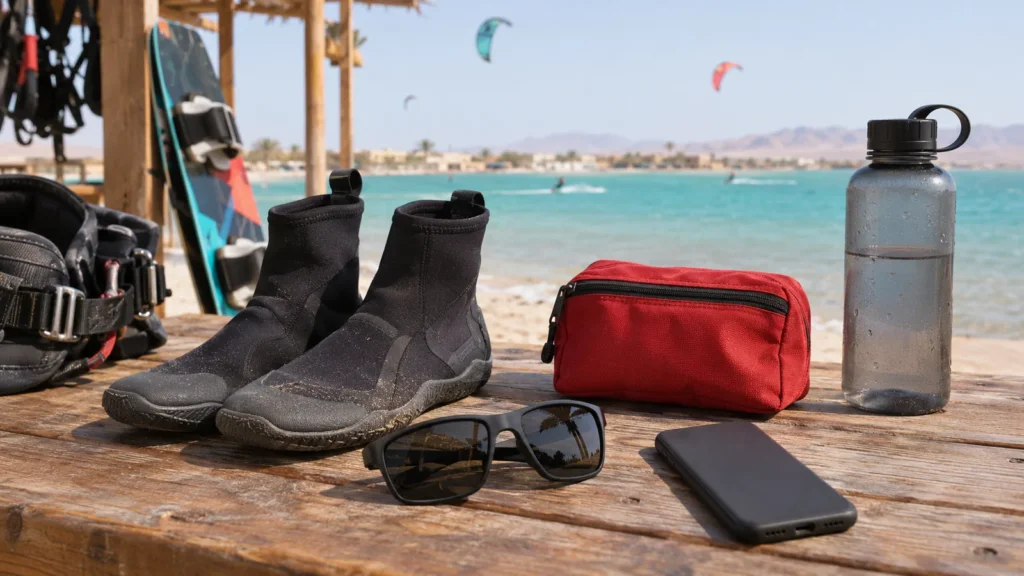
In short: If someone may have been bitten by a snake in Hurghada, call 123 for an ambulance. Keep them still and calm, remove rings, watches and anything tight near the bite, and get them to hospital quickly. Do not cut the wound, suck out venom, apply a tourniquet or use ice. Treat every bite as potentially venomous, even if the person feels fine.
Table of contents
Most kite travellers never have to deal with a snake bite, but the recent reports of snakes at a Hurghada school and more cobra sightings across Egypt are a good reason to learn the basics. Two minutes of reading now can save valuable time later.
Emergency numbers in Egypt
Save these before you fly. They are listed in the UK government’s guidance on getting help in Egypt.
| Service | Number |
|---|---|
| Ambulance | 123 |
| Police | 122 |
| Fire | 180 |
| Tourist police | 126 |
Also save your hotel reception’s number and your travel insurer’s 24-hour assistance line. If you are at a kite centre, tell the staff straight away: they know exactly where you are and can guide an ambulance to you.
First aid for a suspected snake bite, step by step
- Move away from the snake. Do not try to catch or kill it. A quick photo from a safe distance can help doctors, but it is not essential and is never worth a second bite.
- Call 123, or ask someone to call while you stay with the person.
- Keep the person still and calm. Lay them down if possible and keep the bitten limb still, ideally supported like a splint, because movement can help venom spread.
- Remove anything tight near the bite before swelling starts: rings, watches, bracelets, wetsuit boots or a harness.
- Note the time of the bite and any symptoms as they appear, so you can tell the medical team.
- Get to hospital even if symptoms seem mild. Effects can develop later. Call 123 and follow the ambulance crew’s directions to the nearest hospital equipped to assess and treat snake bites.
- For pain, World Health Organization guidance allows paracetamol. Avoid aspirin and ibuprofen, which can make bleeding worse after some viper bites.
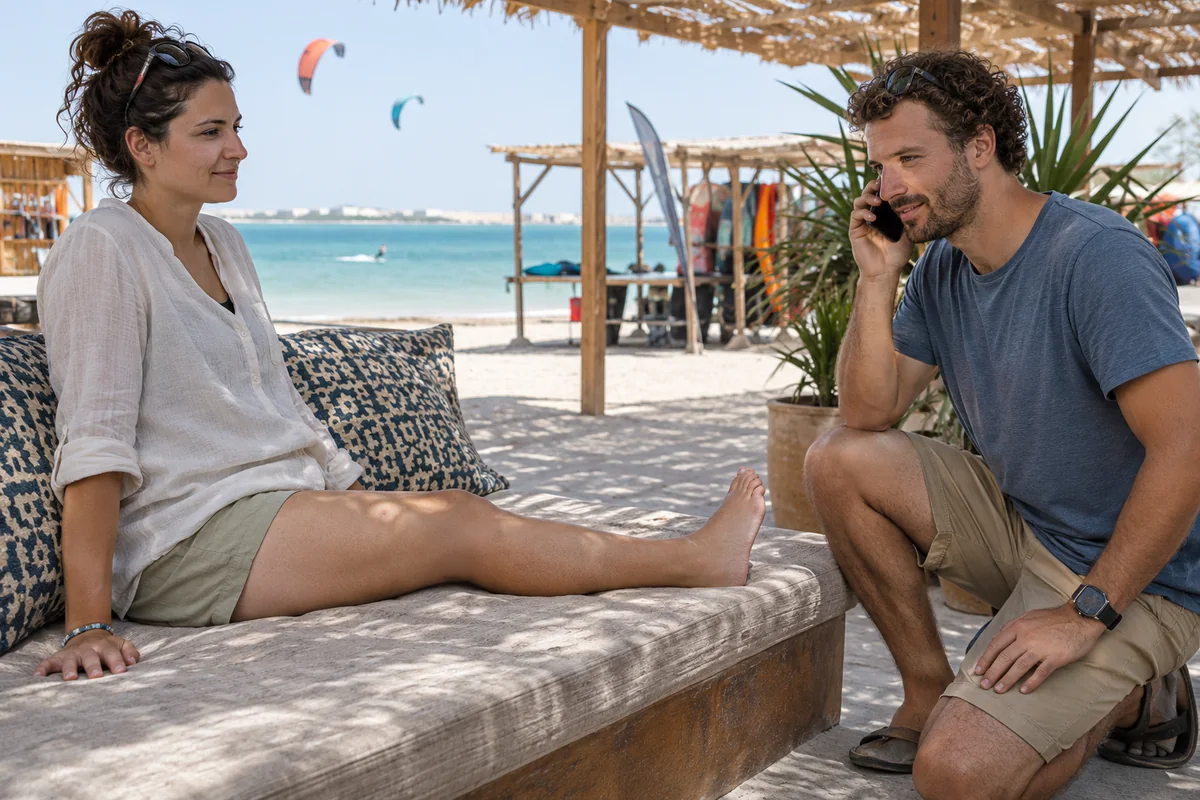
What not to do
- Do not cut the wound or try to suck out the venom, by mouth or with a suction device.
- Do not apply a tourniquet or a tight band.
- Do not use ice, heat, electric shocks or traditional remedies.
- Do not give alcohol or drinks containing caffeine.
- Do not let the person walk or run if you can avoid it.
These points reflect advice from the World Health Organization and the NHS.
Symptoms to watch for
Different snakes cause different effects. According to an expert quoted by Egypt Independent, cobra venom acts on the nervous system and causes gradual muscle paralysis, while vipers such as the saw-scaled viper can cause bleeding and clotting problems.
Signs that need urgent attention include drooping eyelids, blurred or double vision, difficulty speaking, swallowing or breathing, bleeding from the gums or the bite, spreading swelling, vomiting and collapse. Do not wait for symptoms before you seek help.
On the beach, on a day trip or at sea
- At the kite spot: tell your instructor or the centre staff immediately and let them coordinate help.
- On a day trip: if you are driving to El Gouna, Soma Bay or Safaga, know roughly where the nearest hospital is and keep your phone charged.
- On a boat: on a Red Sea kite safari you are at sea, where there are no sea snakes. Snake awareness matters mainly on any shore stops and on travel days.
- Around the hotel: gardens and unlit paths after dark are where to stay alert. Sultan Kite School’s guide to snake shows, desert trips and family days covers this in more detail.
Insurance: check it before you go
Make sure your travel insurance covers kitesurfing and emergency medical treatment, and keep the policy number and the assistance line on your phone. Lessons with Sultan Kite School include insurance during training (its lesson safety guide lists what is included), but you still need your own travel cover for the rest of your trip. Pack a copy of your policy with the rest of your kite trip essentials.
Frequently asked questions
Dial 123 for an ambulance anywhere in Egypt. The police are on 122, the fire service on 180 and the tourist police on 126.
Call 123 and follow the ambulance crew’s directions to the nearest hospital equipped to assess and treat snake bites.
No. Suction devices, cutting the wound and tourniquets are not recommended and can cause harm. Keep the person still and get them to hospital.
No. Doctors assess the patient’s symptoms and test results. A photo taken from a safe distance can help, but never put yourself at risk to get one.
Sources
- GOV.UK: Egypt travel advice, getting help
- World Health Organization: Snakebite envenoming treatment
- NHS: Snake bites
- Egypt Independent: Are snake bites on the rise in Egypt? An expert explains
- Sky News Arabia (in Arabic): Ministry of Environment advice on cobras
Last reviewed: 27 November 2026. This guide is general information, not medical advice. Always follow the instructions of the emergency services and medical staff.
Questions before you book? Contact Sultan Kite School or view lessons.