
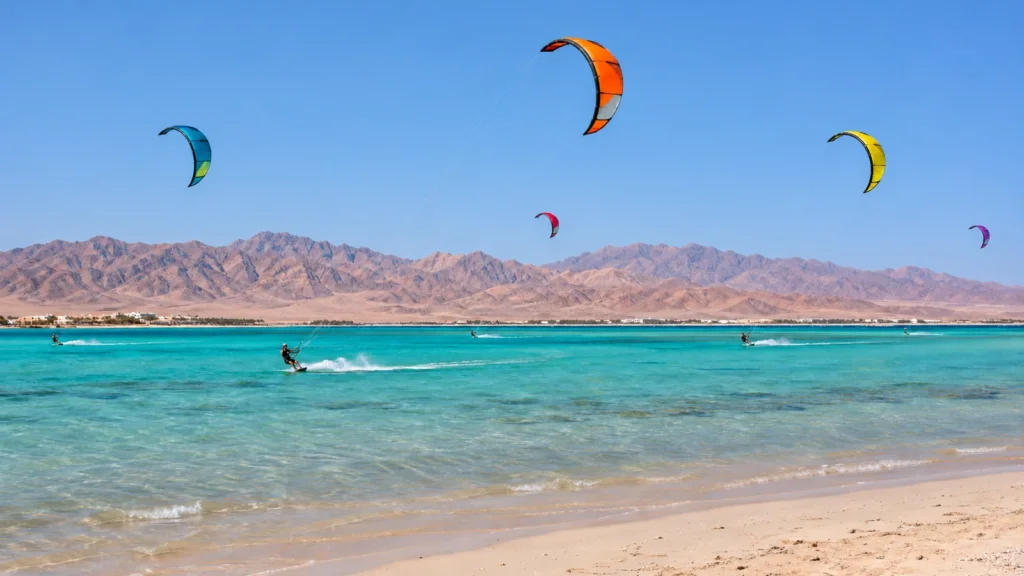
In short: Recent reports of snakes at a school in Hurghada, and of more cobra sightings in Egyptian residential areas, are worth knowing about, but they do not change the basics of a kite trip. Snakes look for shelter, food and water on land. The Red Sea has no sea snakes, and most of a kite day is spent on an open beach and in the water. A few sensible habits on land cover most of what you need.
Table of contents
What happened at the Hurghada school?
Egypt Independent, in an edited translation from Al-Masry Al-Youm, reported that teachers, staff and parents at the al-Ahyaa Experimental School in Hurghada were alarmed by repeated snake sightings on the school grounds. Members of the school’s Board of Trustees said three snakes had recently been found on the premises and removed.
Because the school is in a mountainous area, parents asked the Directorate of Education and other authorities to clear the site proactively instead of reacting each time a snake appears. They want the buildings, the courtyard and the surrounding area inspected, including abandoned or cultivated land, rubbish, overgrown vegetation and water sources. These are the places where reptiles tend to shelter.
The report does not name the species involved, and it does not mention anyone being bitten.
Why are cobra sightings rising in Egypt’s residential areas?
In a separate report, Egypt Independent quoted Mohamed Youssef, head of the Central Administration for Nature Reserves at the Ministry of Environment. Speaking on the programme Hadith al-Qahira, he said dangerous animals usually appear in populated areas because environmental changes push them out of their normal habitats. He explained that cobras are very sensitive to temperature and move in search of warmth, food or shelter.
He also warned against jumping to conclusions, because each case needs to be examined on its own facts. His advice to residents was to report any sighting promptly to Civil Defence, the emergency services or the governorate’s operations centre. Coverage in early November 2026 linked this movement to the cooler months, when cobras look for warmer shelter.
Does this affect kitesurfing in Hurghada?
On the water, no. Sea snakes live in the Indian and Pacific Oceans but are not found in the Red Sea, where high salinity is one of the explanations given. Nothing in the recent reports concerns the water.
On land, what matters is the exact place rather than the town as a whole. The school report lists rubble, rubbish, overgrown plots, abandoned land and water sources, which are exactly the places where snakes find cover. A busy kite beach, with people, kites and boards moving all day, offers much less of that.
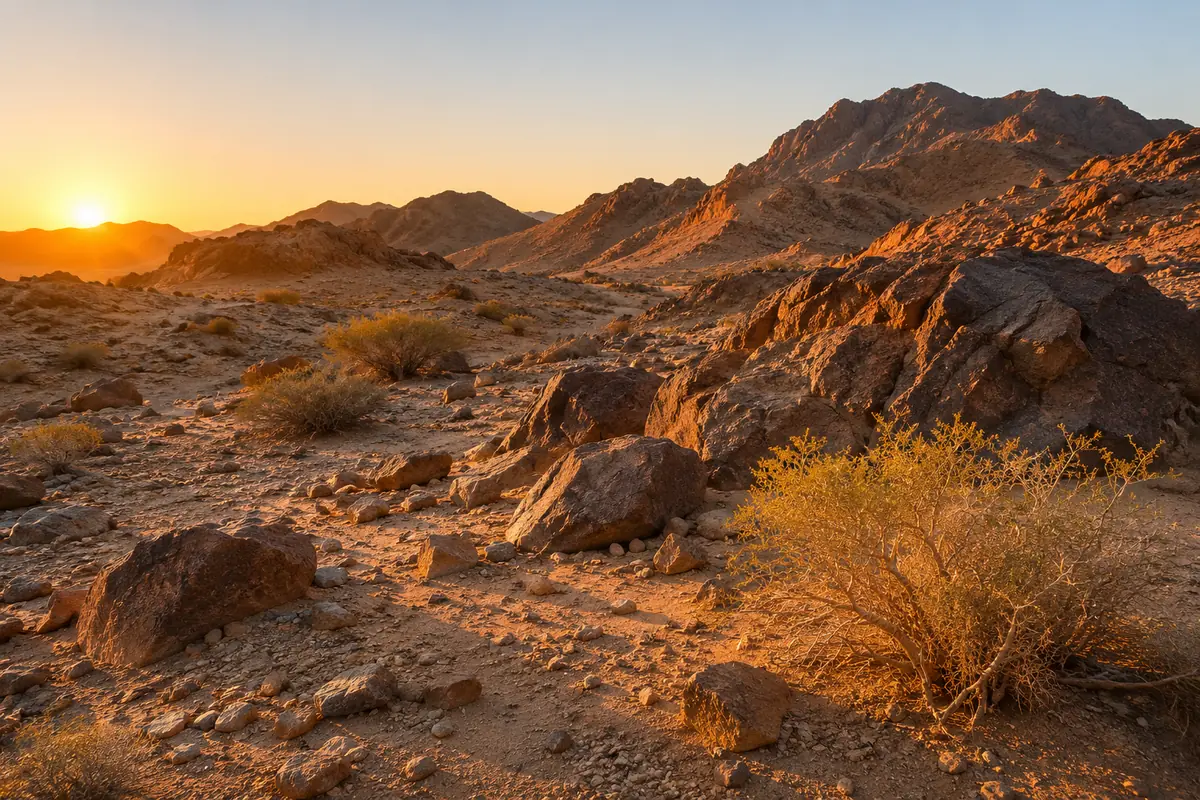
It pays to stay alert in the places in between: unlit garden paths after dark, building sites and empty plots near hotels, and trips into the desert or the Red Sea Mountains. Every spot is different, so read our guide to Hurghada’s kite spots before you choose where to ride. The Hurghada kite centre guide explains what to expect on the beach itself.
Five sensible habits for kite travellers
- Wear closed shoes away from the water’s edge. Wetsuit boots or trainers protect your feet on paths and rough ground. Our packing list for a Hurghada kite trip covers footwear.
- Carry a torch after dark. Many desert snakes are most active in the evening and at night, and a light lets you see where you are stepping.
- Keep hands and feet where you can see them. Do not reach under rocks, boards or piles of wood, and shake out shoes and kit bags that have been left on the ground.
- Give any snake space. Move away calmly, keep others back and tell hotel or kite centre staff. Never try to catch, move or kill it, because handling a snake is one of the easiest ways to get bitten.
- Know what to do in an emergency. Save 123, Egypt’s ambulance number, and read our guide to first aid for a snake bite in Hurghada before you travel.
Is Hurghada still a good choice for a kite holiday?
In our view, yes. The snake reports are a reason to be aware, not to be alarmed, and they go alongside the usual checks before any trip: the UK Foreign Office travel advice for Egypt, insurance that covers kitesurfing, and realistic expectations of the wind and season. If you prefer to keep land time to a minimum, a Red Sea kite safari keeps you on the water for most of the trip, and our kite hotels guide helps you stay close to the beach.
If you are planning lessons, Sultan Kite School explains what the snake reports mean for lessons on its lagoon. For time away from the water, read its guide to snake shows, desert trips and family days.
Frequently asked questions
Yes. As in much of Egypt, snakes live in the desert and mountain areas around Hurghada and occasionally turn up in town, as the recent reports from the al-Ahyaa school show. You are most likely to see them around rocks, rubble, vegetation and water, not on busy beaches.
No. Sea snakes are found in the Indian and Pacific Oceans but not in the Red Sea, so they are not a concern when you kitesurf, swim or snorkel in Hurghada.
According to Egypt’s Ministry of Environment, environmental changes can drive cobras out of their usual habitats, and the snakes move in search of warmth, food and shelter. Officials say each case should be assessed individually.
Egypt’s venomous species include the Egyptian cobra and several vipers, such as horned vipers and saw-scaled vipers. Most people cannot identify snakes reliably, so treat every snake as potentially dangerous.
Stay calm, step back slowly and keep others away. Tell hotel or kite centre staff, who can contact the authorities. Do not try to catch, move or kill it.
Sources
- Egypt Independent: Reports of snakes appearing at Hurghada school stirs panic
- Egypt Independent: Cobra sightings on the rise in Egypt’s residential areas
- PADI: Sea snake facts
- GOV.UK: Egypt travel advice
Last reviewed: 27 November 2026. This guide is general travel information, not medical advice. In an emergency in Egypt, call 123 for an ambulance.
Planning your lessons? View lessons with Sultan Kite School, on a shallow lagoon at Palma Resort, beside the AMC Royal Hotel.